It’s hard to make your theatre and its messaging stand out – especially in the highly saturated market we exist in today. After all, the average person might see thousands of ads per day, meaning a one-size-fits-all approach to your marketing efforts should only be one component of the bigger picture. So – how can you make a real impression on your patrons, diversify your marketing efforts, as well as attract new demographics to your theatre? Audience segmentation!

In this article, we’ll explore audience segmentation, why it matters, and how it can truly benefit your theatre

What is Audience Segmentation?

Audience segmentation is a nuanced marketing tactic that divides your target audience into groups – based on specific characteristics, preferences, and behaviors. The end goal here is to deliver those groups more personalized messaging, leading to stronger connections and improved engagement. There are a variety of ways to segment your audience, including:

Personal Traits

Traits like age and gender fall into this category. For example, you may split your marketing efforts based on generations, as millennials, baby boomers and Gen Z respond differently to specific marketing efforts. 

Purchasing Behavior 

Another way to segment your audience is by purchasing behavior. You should use different tactics to appeal to longtime, loyal patrons versus people who have never stepped foot in your theatre or seen what you offer.

Geography

If you work for a national or touring company, you need to think about appealing to different people depending on their physical locations across the country. For example, people in coastal regions may consume media differently and respond differently to media than in rural areas. 

Why Segmentation Matters

While you may be tempted to slap your marketing assets into a pre-scheduled calendar and call it a day, that one-size-fits-all approach just doesn’t reap the same results as audience segmentation. So – why does segmentation matter?

Well, it acknowledges your patrons’ unique needs and preferences, allowing you to deliver more relevant content to them. By delivering better, more tailored content, you’re also increasing engagement exponentially and building brand loyalty. Additionally, you’re personalizing the experience – limiting the chance that your messaging gets ignored and your KPIs suffer. 

But most importantly, audience segmentation matters because it works. In fact, dozens of independent studies across multiple industries show that strategically marketing to segmented audiences consistently leads to more repeat customers and higher sales.

Key Benefits of Audience Segmentation 

Now that we understand why audience segmentation matters, let’s explore just a few benefits you’ll experience after enacting it. 

A Deeper Understanding of Your Audiences

Segmentation helps you better understand your patrons and personalize your communications with different subsets that share common traits or interests. As a result, you’re improving your targeted marketing efforts, helping to develop stronger insights into your audiences. In short, you’ll be more aligned with your patrons’ needs, leading to higher satisfaction across the board. 

Enhanced Marketing Efficiency

With segmentation, you optimize your resources by focusing on high-potential segments rather than employing the one-size-fits-all approach. By allocating segments of your marketing budget more strategically, you’ll maximize your ROI and see better outcomes. 

Higher Conversion Rates

Due to that personalization in marketing, you are increasing your chances of converting potential audience members into ticket buyers. With segmentation, you’re addressing your most critical needs and offering more enticing offers – increasing your conversion rates. 

Increased Customer Retention

Along with converting passive followers into new audience members, segmentation also helps you keep those ticket buyers within your theatre’s ecosystem longer. Since you’re appealing to their specific needs and sending relevant and helpful information, they remain involved, engaged, and active at your theatre. 

Improved Personalized Marketing with Audience Segmentation

Audience segmentation allows you to create personalized and targeted messages that resonate with your segmented audiences’ specific needs, interests, and preferences. This increases the chances of capturing their attention and driving engagement, which is key to a successful theatre. 

Using Audience Segmentation to Support Your Goals

Now, audience segmentation can help you reach a variety of goals – but there are a few you may be specifically focused on – whether that’s retaining patrons, acquiring patrons, or gaining more revenue and garnering more donations. On The Stage offers some ideas on how to utilize audience segmentation to reach those goals. 

For Patron Retention

Retaining patrons is one of the most critical components of running a successful theatre. After all, you don’t want to deploy new marketing tactics aimed at new patrons for every show. If you’ve noticed a downturn in returning patrons, you’re not alone. The entertainment world is ever-expanding, which means your patrons may be distracted by other offerings. This is where audience segmentation can help – specifically targeting recurring patrons you may be seeing less and less of in recent months. 

An example of targeted marketing for this audience segment is by reaching out with a ‘We miss you!’ message. Grant them a discount on their next ticket to incentivize their return. Ideally, this discount will get them back into the groove of purchasing tickets to your show – or even getting a season subscription

For Patron Acquisition

Another great way to use audience segmentation to reach your goals is by focusing on patron acquisition. After all, you’ll always need fresh faces in your audience to keep things dynamic and ever-evolving. 

To do this, you’ll need to target patrons who have visited your theatre once or twice. For example, you can send this audience segment a coupon or discount to bring a friend to the next show. Additionally, referral discounts that benefit both parties – the referer and the referred – are a great way to incentivize ticket purchases as well as gain new (hopefully loyal) audience members. 

For Revenue Generation

Of course, revenue generation should be one of the main goals for your audience segmentation. There are two key ways to enact this. 

The first is targeting audience members who have already made a donation. Thanking those donors is the crucial first step – they need to feel appreciated for the gifts they have already given. After showcasing gratitude, you can point towards other ways these donors can give to your theatre.

Another way to drive revenue using audience segmentation is to target patrons who have purchased season subscriptions in the past. You can send them a teaser for the new season’s subscription, encourage them to renew, and ask them to donate if they loved the previous season. 

On The Stage’s New Audience Segmentation Feature

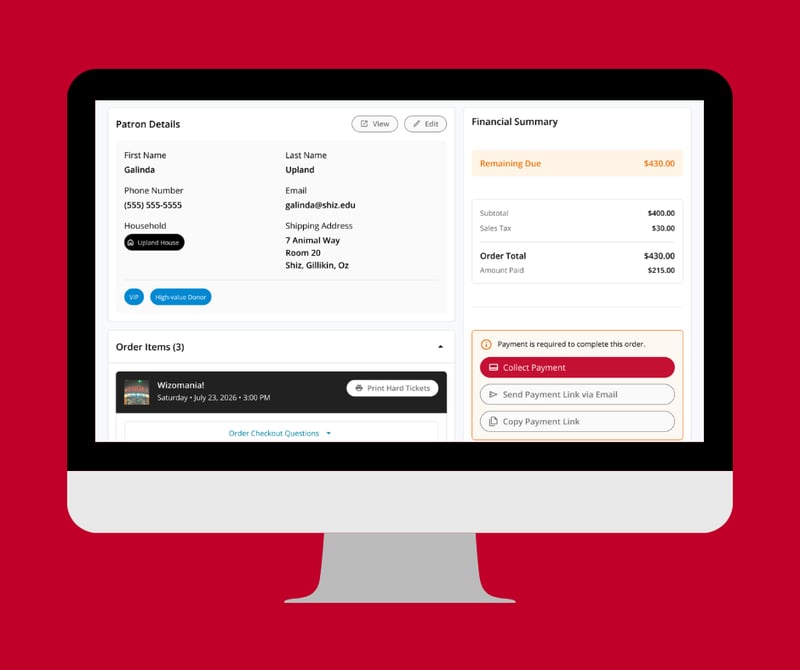
Audience segmentation is the perfect way to elevate your marketing efforts, retain loyal patrons, gain new ones, and increase your theatre’s bottom line. However, deploying that effort may seem too difficult to manage on your own. Luckily, On The Stage (OTS) has released a new suite of audience segmentation tools that make it fast and easy to reach targeted audiences based on their past purchase and attendance behaviors. 

These segments can be automatically created in seconds using only a few clicks, and they update dynamically over time as a patron’s behavior changes – meaning you never need to worry about a segment being out of date. Best of all, once you’ve created an OTS audience segment, you can use it to reach your audience wherever they are using additional tools like Mailchimp, Meta, and Google.

Using OTS audience segments makes it easier than ever for your performing arts organizations to reach the patrons you need quickly and with ease. OTS platinum customers can get started today by logging in to the platform and navigating to “patron segmentation” in the navigation bar.

To learn more about patron segments and how they can help you increase sales and boost engagement, schedule a demo today.

Related products and solutions